

Are you looking to take your career to the next level? You may think that a degree in computer science or software engineering is the only way to do it, but that’s not necessarily true. This article will show you how the right computer education can help you stand out from the competition and make yourself more attractive to employers.

What is computer education?
Computer education is the process of learning about or receiving training in the use of computers. It can be divided into two categories: computer literacy and computer science. Computer literacy focuses on learning how to use computers and common software applications, while computer science focuses on developing new ways to use technology.

Most jobs in the modern world require at least some basic level of computer literacy, so it is important for students to receive quality computer education early on in their school careers. For adults who want to advance their careers, more specialized and comprehensive computer education may be necessary.
There are many different ways to receive computer education. Many schools now offer courses in computer literacy or even computer science as part of their regular curriculum. There are also many private companies that offer training courses, either online or in person. In addition, there are a wealth of resources available online for those who want to learn at their own pace.
Benefits of Computer Education for Professionals
The computer has become an integral part of the workplace for most professionals. Even those who don’t work in a traditional office setting often need to use computers for tasks such as managing their finances, keeping in touch with family and friends, or shopping.
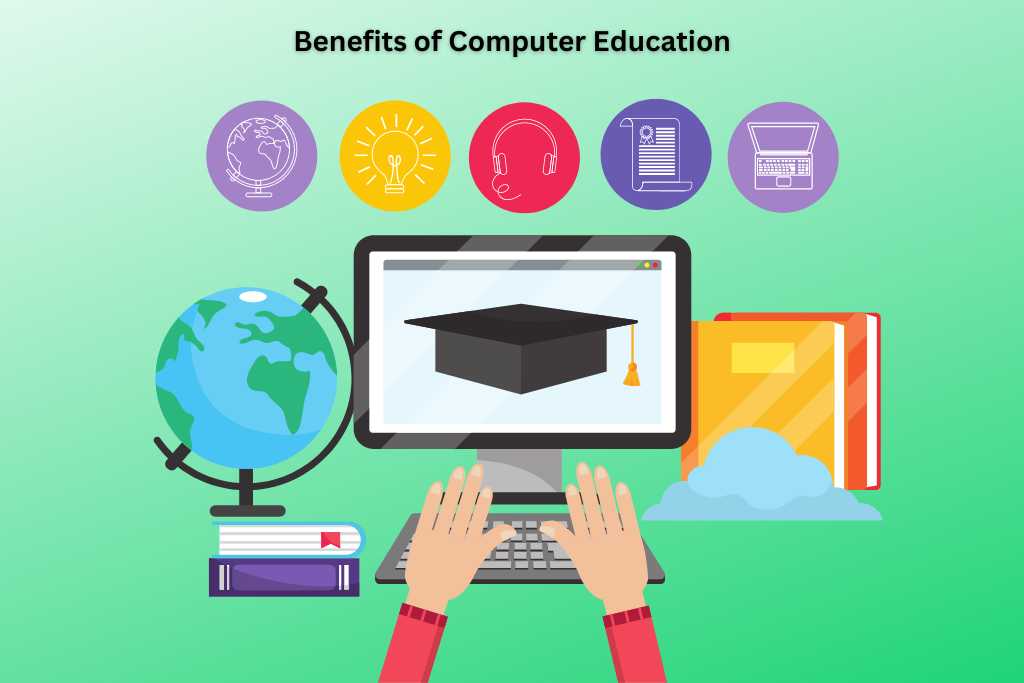
For many people, learning how to use a computer is essential for advancing their careers. Computer skills can help you get a job, keep a job, or earn a promotion. Even if you’re not looking to change jobs, staying up-to-date on the latest computer technology can make you more valuable to your employer and better equipped to do your job.
There are many different ways to learn about computers, from taking classes at a community college or adult education center to watching online tutorials or reading books. No matter what your level of experience is, there’s a computer education option that’s right for you.
Types of Computer Education
There are a variety of computer education programs available to help professionals advance their careers. Many colleges and universities offer degree programs in computer science, information technology, and other related fields. These programs can provide the skills and knowledge needed to succeed in a variety of jobs in the tech industry.

There are also many online courses and boot camps that can provide the same type of education. These programs can be completed at your own pace and oftentimes offer more flexible schedules than traditional college programs. They can also be more affordable than traditional college programs.
No matter what type of computer education you choose, make sure it is accredited by a reputable organization. This will ensure that you get the quality education you need to succeed in your chosen career path.
How to Find the Right Program for You
When it comes to finding the right computer education program to advance your career, there are a few things you need to keep in mind. First, you need to make sure that the program is accredited by a reputable agency. Second, you need to make sure that the program offers courses that will actually help you in your career. Third, you need to make sure that the program is affordable.
Finding an accredited computer education program is important because it will ensure that you are getting a quality education. There are many agencies that accredit computer education programs, but not all of them are created equal. Do some research and find an agency that has a good reputation.

Once you have found an accredited program, you need to make sure that it offers courses that will actually help you in your career. Some programs only offer basic computer skills, while others offer more advanced courses. If you want to advance your career, you need to make sure that the program you choose offers courses that will help you do just that.
Finally, you need to make sure that the program is affordable. Many computer education programs can be quite expensive, so it is important to find one that fits within your budget. Keep in mind that even though a program may be expensive, it does not necessarily mean that it is the best option for you. Take the time to compare different programs and find one that provides quality education at a price you can afford.
Common Pitfalls to Avoid
There are a few common pitfalls that can trip up even the most computer-savvy professional. Here are a few to avoid:
- Not Saving Often Enough: This is a mistake that can cost you dearly if you lose power or your computer crashes. Always save your work frequently, and consider using a cloud backup service to avoid losing important files.
- Relying on One Program: Don’t put all your eggs in one basket by only learning how to use one program or software package. Broaden your skillset by learning multiple programs, so you can be more versatile and adaptable in the workplace.
- Neglecting Maintenance: Just like any other machine, your computer needs regular maintenance to keep it running smoothly. Be sure to run updates and security scans regularly, and don’t forget to clean out dust and debris from the inside of your case periodically!
- Skimping on Storage: With ever-increasing file sizes, it’s easy to fill up a hard drive quickly. Invest in a larger drive or upgrade to an SSD sooner rather than later, so you don’t have to worry about running out of space when you need it most.
- Forgetting Passwords: In today’s digital world, passwords are the key to accessing everything from our email accounts to our online banking information. Keep them safe by using strong passwords and storing them in a secure location (like a password manager).
Tips for Making the Most Out of Your Computer Education Investment
- Make a plan: Before enrolling in a computer education program, it is important to sit down and make a plan. Consider what your goals are and what you hope to achieve by taking the course. This will help you narrow down your options and choose a program that is right for you.
- Do your research: Not all computer education programs are created equal. Be sure to do your research before enrolling in any program. Read reviews, talk to others who have taken the course, and check out the curriculum to make sure it is a good fit for your needs.
- Set aside time: In order to get the most out of your computer education investment, you need to set aside time to complete the coursework. Try to set aside at least an hour each day to work on the material. This will ensure that you stay on track and complete the course in a timely manner.
- Take advantage of resources: Most computer education programs come with a variety of resources that can be very helpful. Be sure to take advantage of these resources and use them to help you learn the material covered in the course.
- Ask questions: If you are ever confused about something or have a question, be sure to ask your instructor or another student for help. Asking questions is a great way to ensure that you understand the material and can apply it in real-world situations. Read the article “Exploring How Computers Are Revolutionizing Medical Research“