

If you want to become a computer programmer, it’s important that you understand the basic principles behind computers. Learning about these fundamentals will help you develop your skills as a programmer and improve your productivity.
A computer is an electronic device that takes raw data as input from the user and processes it under a set of defined instructions, producing an output.
What is a Computer?
A computer is an electronic device that can store, process and retrieve data. It is also an entertainment centre that allows you to browse the Web, read books, play games and watch movies.

A computer is made up of two main parts, hardware and software. The hardware refers to the processor chip, input and output devices that function on electrical signals.
What is a Programmer?
Programmers write programs that give computers instructions for tasks, like calculating mathematical formulas or running video games. Programs are the backbone of computing devices and systems, and understanding programming opens career doors in a wide range of fields.

Programmers use a variety of software languages to create their programs. These include compiled languages, such as C and C++, and interpreted languages, such as JavaScript.
What is an Algorithm?
Algorithms are specific procedures for solving a well-defined computational problem. Developed and analyzed as a part of computer science, algorithms are important for many computer applications.
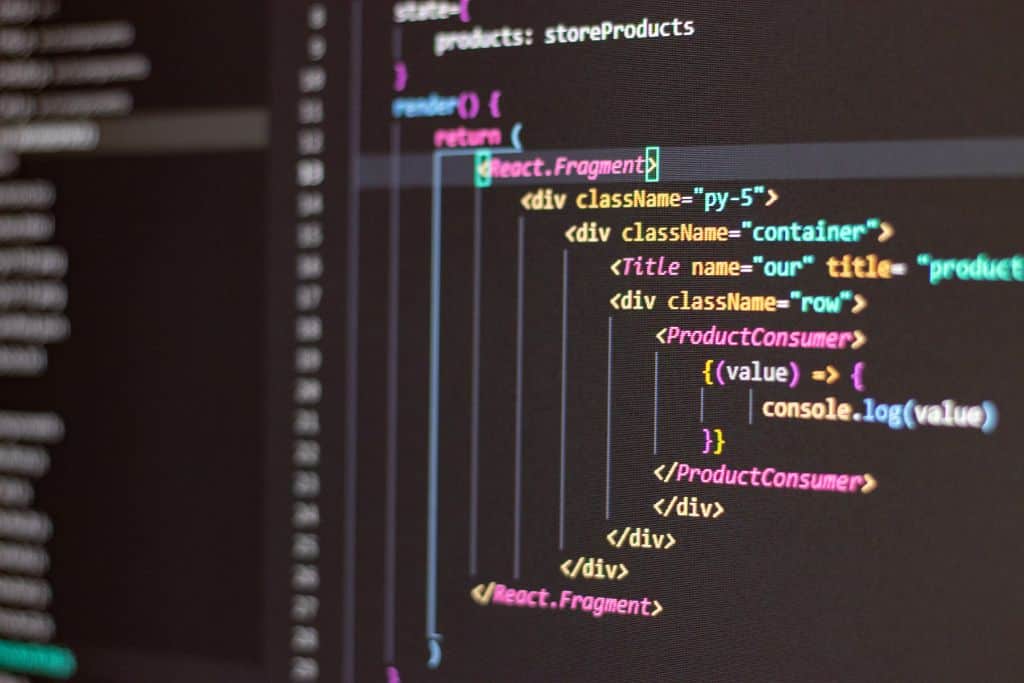
When you sort a list of numbers or letters, for example, the computer does it using an algorithm. The algorithm is the set of instructions that tell the computer how to do it.
What is a Data Structure?
Data structures organize, process and store information in a logical way so that machines and humans can understand it better.
A data structure can be either static or dynamic in size. Static data structures reserve a fixed amount of memory at compile time, shrinking or expanding as required by the program.
Dynamic data structures include arrays, which store items in adjoining memory locations. These can be of fixed or flexible length, as well as a queue, which stores items in the order operations are applied.
What is a Network?
A network is a system of computers that are connected together so that they can share resources and exchange information. They may be linked through cables, telephone lines, radio waves, satellites, or infrared light beams.

There are two main types of networks — local area networks (LANs) and wide area networks (WANs). A LAN connects devices within a limited geographical area. A WAN, on the other hand, spans a large geographic area.
What is a Computer’s Memory?
A computer’s memory is the electronic storage of data that the central processing unit (CPU) needs to access quickly. It consists of different types of memory technology, each designed to store data and instruction at a specific speed and cost.
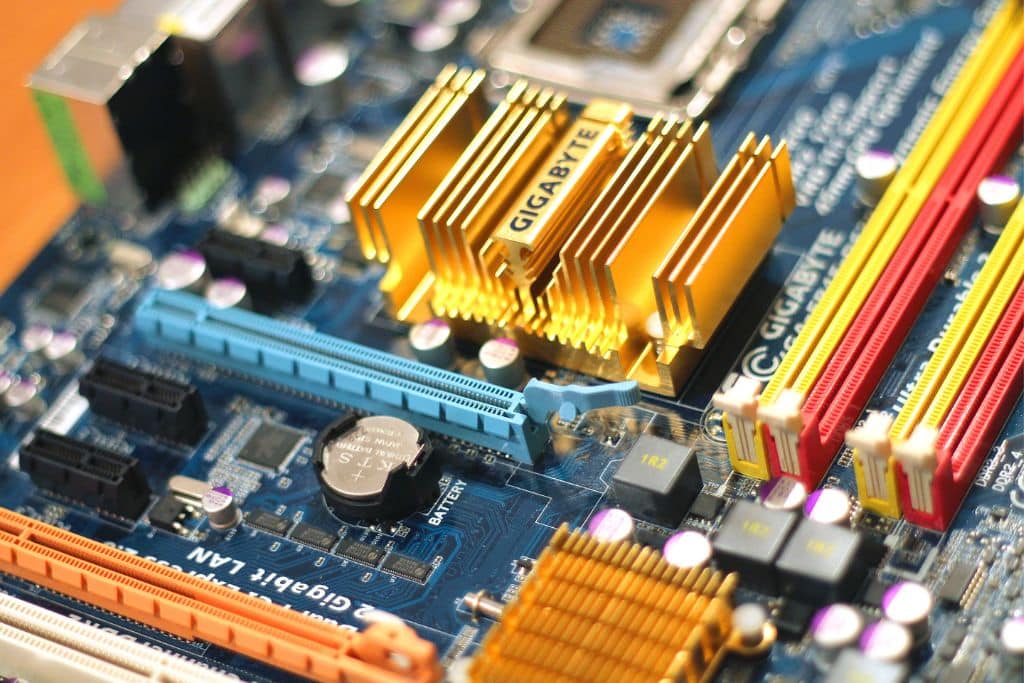
There are two major types of memory in a computer – primary and secondary. The main difference between the two is that primary memory is directly accessed by the CPU.
What is a Computer’s Processor?
A computer’s processor, or CPU, is a tiny electronic chip that receives input and runs calculations. It’s a crucial component of modern devices including computers, smartphones, tablets and even smart washing machines.
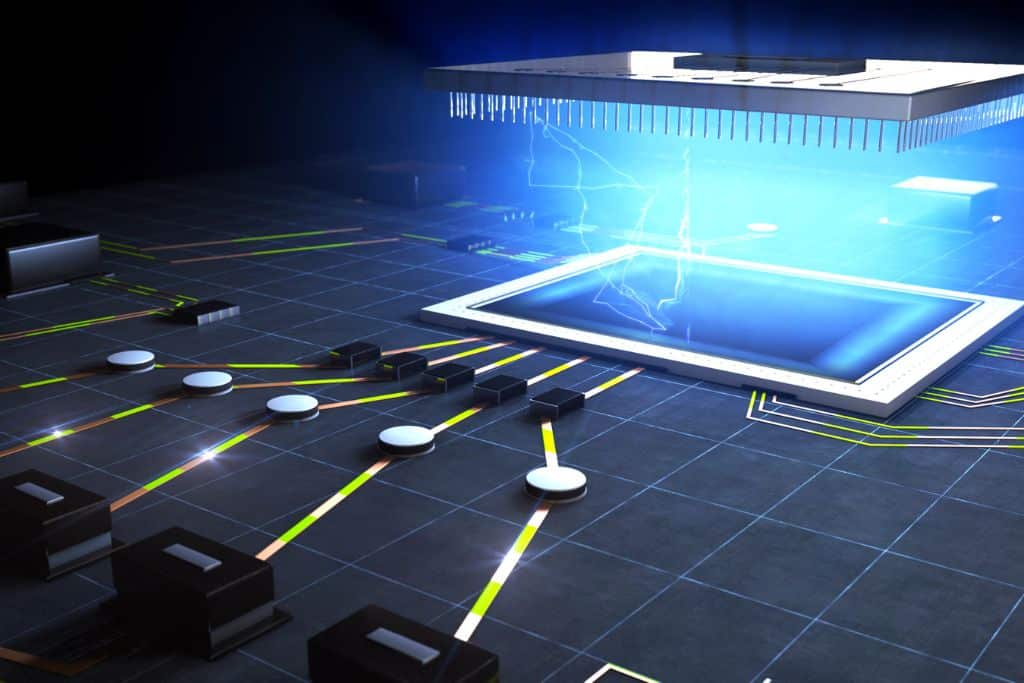
The CPU works by executing a set of instructions, which include things like adding numbers and comparing two pieces of data. The CPU completes these calculations by utilizing billions of microscopic transistors on its tiny chip.
What is a Computer’s, Graphics Card?
A computer’s graphics card, or GPU, processes the mathematical operations needed to speedy display images and videos on your computer screen. Graphics cards often contain dedicated random access memory, or RAM, for storing data related to visual media.
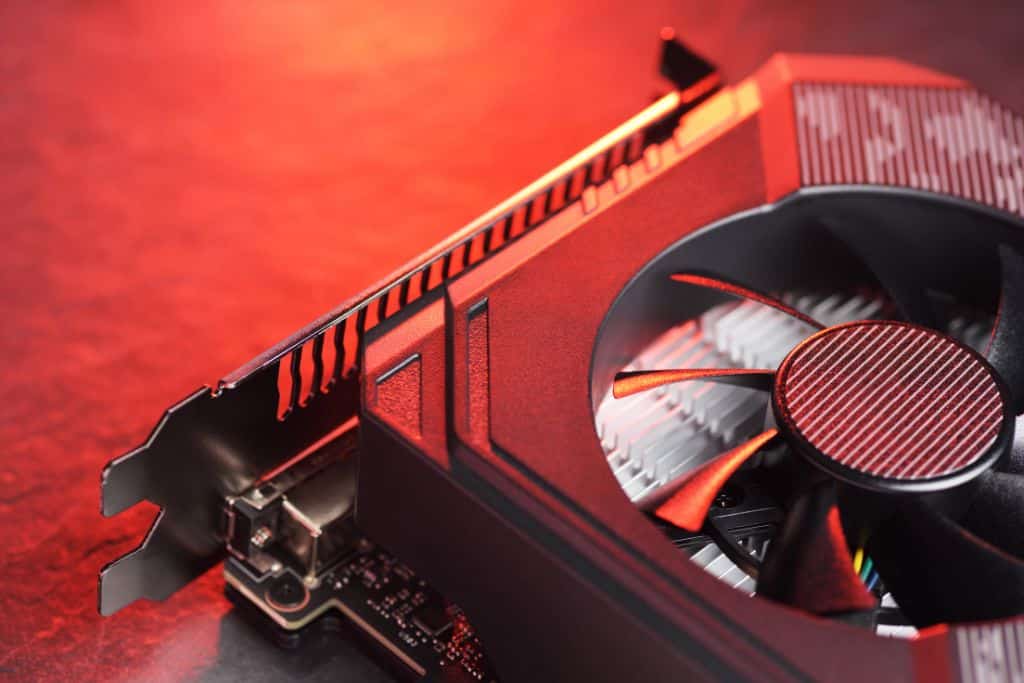
Depending on the manufacturer, GPUs can be mounted on a video card that slips into an expansion slot on your motherboard, or directly into a PC case. These discrete GPUs are more powerful than onboard graphics and are useful for gaming, ray tracing, graphics production, and even cryptocurrency mining.
What is a Computer’s Hard Drive?
A computer’s hard drive is an essential storage device that stores digital files such as documents, pictures, music and videos. It also allows the computer to run operating systems and software.
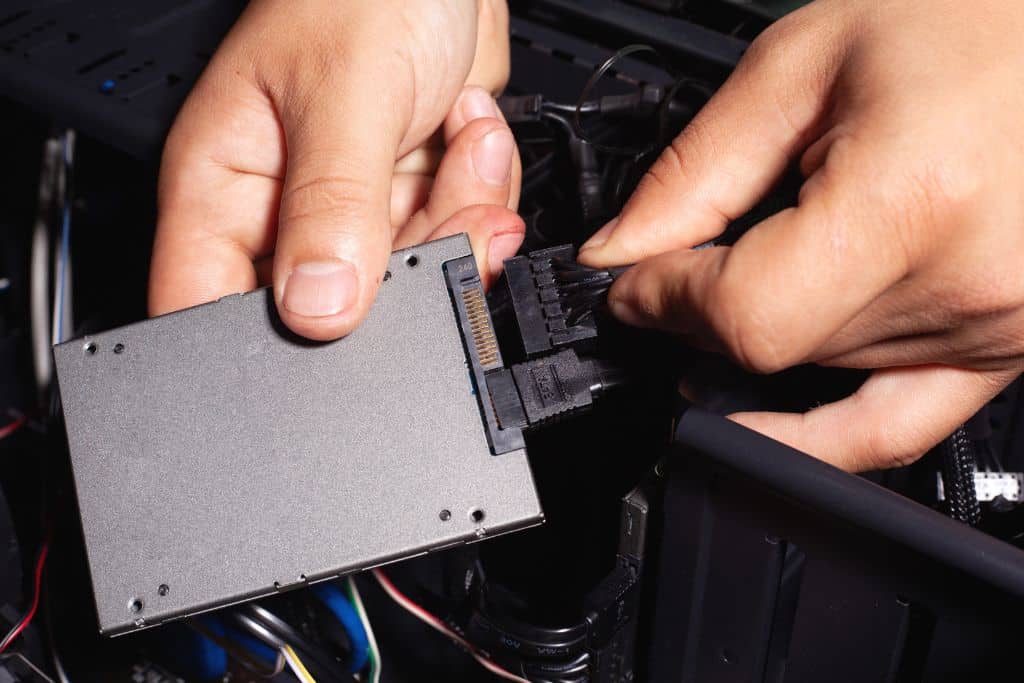
HDDs use spinning magnetic disks to store data that is inscribed in tiny tracks called sectors. A read/write head moves across the platter to access and change the information stored on it.
What is a Computer’s Operating System?
A computer’s operating system is a type of software that manages and controls computer hardware, including the central processing unit (CPU), memory, input/output devices, file storage, and network connections.

An operating system also provides common services to programs, such as user interfaces and security. It allocates resources among programs and controls the scheduling of processes.
Computer science is a fascinating field that has become increasingly important in today’s digital age. For beginners, learning the basics of computer science can be a great way to understand how computers work and how they can be used to solve complex problems. However, once you have a computer, it’s important to know how to safely store it to protect it from damage and theft. Proper storage includes keeping your computer in a dry, cool, and secure location, and using protective measures such as a surge protector and a backup system. For more information on how to safely store your computers, check out this article on “The Best Way to Safely Store Your Computers.“