

Computers have revolutionized our lives in many ways, from enabling us to communicate with friends and family across the globe to helping us take better care of our health. But they are also changing the way we do medical research, unlocking new possibilities for treatments and cures that weren’t even dreamed of a few decades ago. Find out how computers are revolutionizing medical research in this article!

Introduction to Computers in Medical Research
Computers play a vital role in medical research. They help researchers to organize and analyze data, design experiments and create models to test new theories. Computer simulations can also be used to study how diseases spread and to develop new treatments.
In recent years, computers have become even more important in medical research as they’ve been used to process huge amounts of data generated by DNA sequencing and other high-throughput experiments. This “big data” has led to major advances in our understanding of human health and disease.

For example, the Human Genome Project—which sequenced the entire human genome—would not have been possible without computers. Today, DNA sequencing is routinely used in cancer research to identify genetic mutations that may be driving the disease. This information is then used to develop targeted therapies that are more effective and have fewer side effects than traditional treatments.
Computers have also played a role in the development of new drugs and vaccines. For instance, computer-aided drug design is used to screen large numbers of chemicals for potential therapeutic activity. And, computer algorithms are being used to design more effective vaccines against viruses like influenza.
As you can see, computers are revolutionizing medical research and leading to breakthroughs that would not have been possible just a few years ago.
Benefits of Using Computers in Medical Research
Computers have revolutionized medical research by speeding up the process of gathering and analyzing data. In the past, researchers would have to spend hours going through mountains of data by hand in order to find trends and patterns. But with computers, all of that can be done in a matter of seconds.
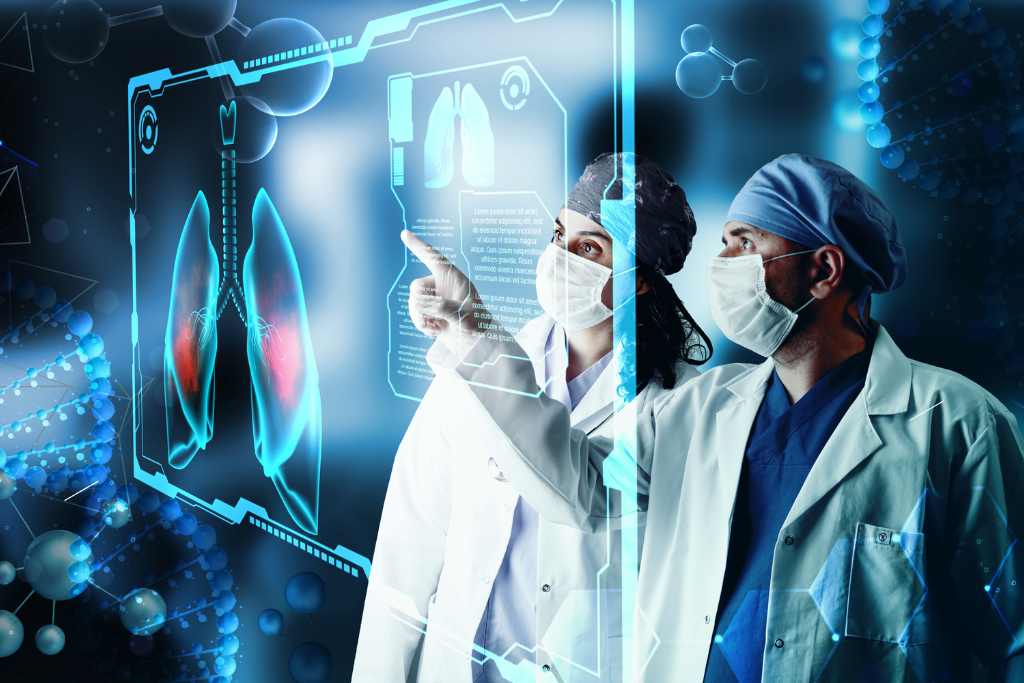
This has led to faster progress in medical research, as well as more accurate results. Computers can process large amounts of data much faster than humans can, and they don’t get tired or make mistakes. This means that more reliable conclusions can be drawn from studies, and new treatments can be developed more quickly.
In addition, computers can be used to model complex biological systems that are difficult to study directly. This allows researchers to test out different hypotheses and see what might happen if a certain change is made. This type of “virtual experimentation” is much cheaper and faster than trying out different treatments on real patients.
Overall, computers have had a huge impact on medical research, and this is only likely to increase in the future.
How Computers Have Changed Medical Research
The way we conduct medical research has changed dramatically since the advent of computers. In the past, most research was conducted manually, which was time-consuming and often resulted in errors. With the help of computers, medical researchers can now collect and analyze data much more efficiently.
Computers have also made it possible to develop complex models that can simulate how diseases spread and how different treatments might work. This has allowed researchers to test new treatments and drugs without putting patients at risk.
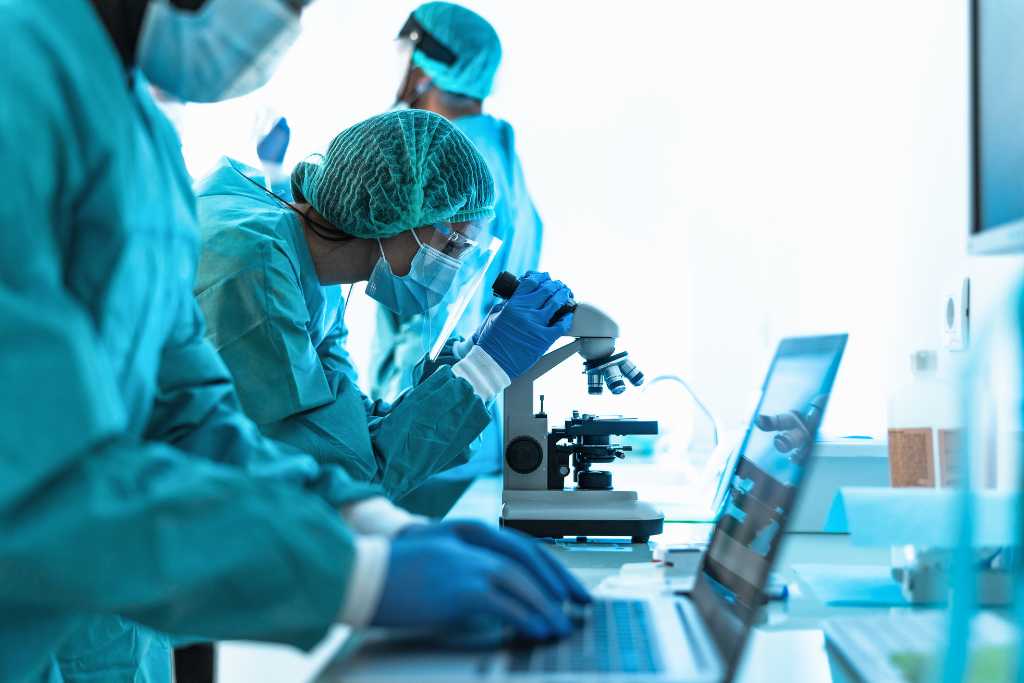
Additionally, computers have given rise to new fields of medical research, such as bioinformatics and genomics. Bioinformatics is the study of large biological datasets, while genomics is the study of an organism’s entire DNA sequence. These disciplines would not be possible without computer power.
In short, computers have transformed medical research for the better. They have made it faster, more efficient, and more accurate. Additionally, they have opened up new areas of inquiry that were previously inaccessible.
Examples of Computer Applications in Medical Research
Computers have become increasingly important in the field of medical research. They can be used to store and analyze data, design experiments, and create models of disease progression. Here are a few examples of how computers are being used in medical research:
-The Human Genome Project used computers to sequence the human genome, which has led to major advances in our understanding of genetics and disease.
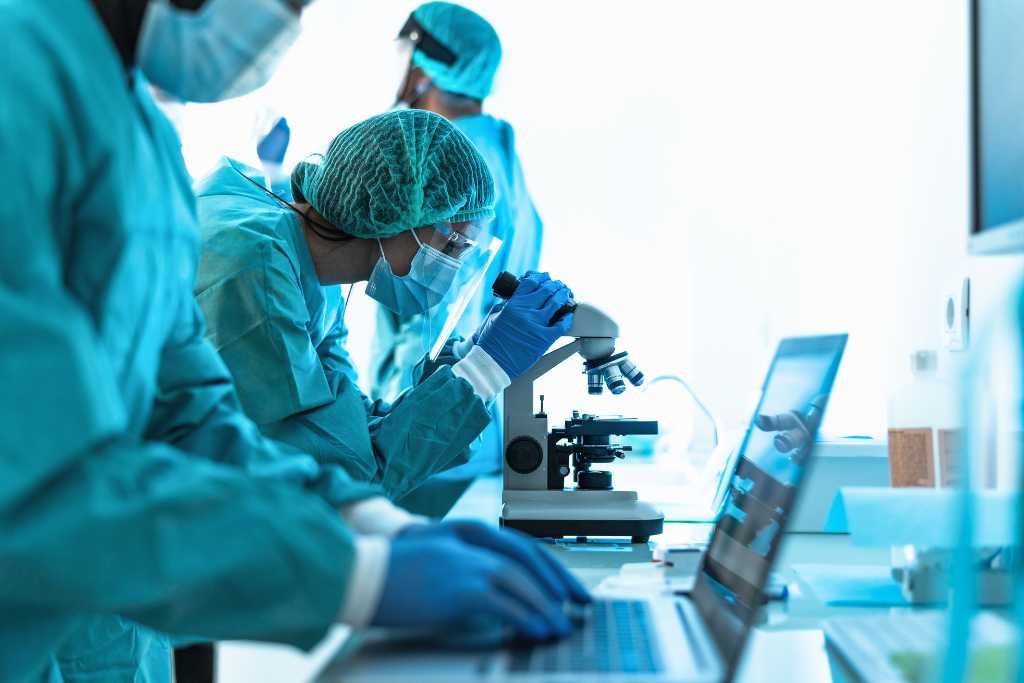
-Computers are being used to develop new drugs and personalized treatments for patients. For example, the Cancer Genome Atlas project is using computers to map the genomes of cancer cells in order to better understand how they grow and spread.
-Computer models are being used to study the spread of infectious diseases, such as Ebola. These models can help us predict how a disease will spread and identify potential interventions that could prevent its spread.
Computers are also being used to create artificial intelligence (AI) systems that can diagnose diseases, plan surgeries, and provide personalized health advice. For example, Google’s DeepMind Health division is developing an AI system that can detect breast cancer on mammograms with high accuracy.
Challenges of Using Computers in Medical Research
One of the biggest challenges of using computers in medical research is the sheer amount of data that needs to be processed. In many cases, researchers are dealing with terabytes or even petabytes of data, which can take a long time to process using traditional methods.

Another challenge is that medical data is often unstructured, meaning it doesn’t fit neatly into rows and columns like most other types of data. This can make it difficult to analyze using traditional methods such as Excel or SQL.
Finally, medical research data is often confidential and sensitive. This means that it needs to be stored securely and accessed by authorized users only. This can be a challenge when dealing with large amounts of data.
What the Future Holds for Computers and Medical Research
Computers are revolutionizing medical research by providing new ways to collect, store, and analyze data. This has led to breakthroughs in our understanding of diseases and their treatments.

The future holds even more promise for computers and medical research. With the continued development of new technologies, we will be able to collect more data than ever before. This will allow us to gain a deeper understanding of diseases and develop more effective treatments.
Are you ready to take your YouTub channel or social presence to the next level? Look no further than Lenostube! Our innovative digital marketing strategies, top-notch social media services, and exceptional video production capabilities can help you establish a robust digital presence that grows your YouTube channel.